More Articles
Food & Wine•Nov 3, 2025•0
3 local wines served at the US Embassy Presidential Dinner in Japan
Read Article
Food & Wine•Oct 21, 2025•
2 min read
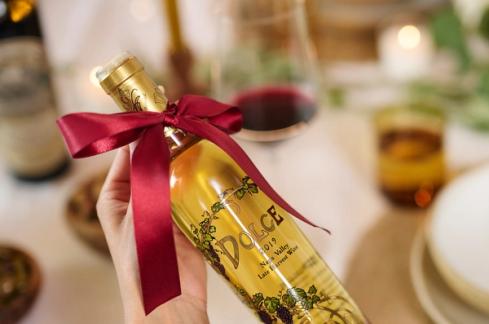
Far Niente Dolce Shines in Forbes’ “Come Over October” Celebration
Read Article
Loading...
Read Article
2 min read
Read Article
Late harvest wine is a sweet wine made from grapes left on the vine long after they'd normally be picked. While most fruit comes in at the ripeness that suits a dry wine, late-harvest grapes stay on the vines for extra weeks — sometimes months — as sun and wind pull moisture out of them.
As the grapes dehydrate, everything left inside grows more concentrated: sugar, yes, but also acid and the compounds that carry aroma and flavor. That high residual sugar does two things at once. It gives the wine its sweetness, and it acts as a natural preservative. It's why a good late harvest wine can age for decades, deepening toward amber and picking up notes of caramel, toffee, and dried fruit as the years go by.
None of this is easy to grow. The fruit has to hang long enough to concentrate without tipping into over-ripeness or getting caught by the wrong weather. The timing is a judgment call, made in the vineyard, one block at a time.
Not every late harvest wine is made the same way, and the differences are worth knowing before you choose one.
The first road is straightforward raisining. The grapes simply hang and lose water, and the wine leans on that pure, dehydrated fruit. These bottles can be less complex than the alternative, but they deliver intense, undiluted fruit character and real sweetness.
The second road is the prestigious one, and it's ours: noble rot.
Here's the part most people find hard to believe. The finest late harvest wines depend on a fungus.
Botrytis cinerea — noble rot — settles on the grapes when the conditions are exactly right: enough humidity for the fungus to take hold, enough dry warmth afterward to keep it from turning destructive. It punctures the skin of each grape and lets water evaporate from the inside out. What's left behind is a shriveled, gray, unglamorous grape packed with concentrated flavor.
They taste like a gift — honeyed, marmalade-toned, with a bright line of acidity that keeps the sweetness from ever feeling heavy. This is the tradition behind French Sauternes, and it's the tradition we follow in Napa Valley to make Dolce from Sémillon and Sauvignon Blanc.
These two are often grouped together as "sweet wine," but they're made in opposite ways, and it changes how they taste.
A fortified wine — Port is the familiar example — gets its sweetness and its higher alcohol from added spirits, poured in during fermentation to stop it and leave sugar behind. A late harvest wine adds nothing. Its sweetness comes entirely from the grape and the concentration that happened on the vine. That's why a botrytized late harvest wine tastes bright and lifted, whereas a fortified wine tastes warm and spirituous.
Temperature does more for a late harvest wine than almost any other decision you'll make with it. Serve it well chilled, between 45 and 55°F (7–13°C). Too cold, and you mute the aromatics; too warm, and the sweetness takes over, flattening everything else. That window in the middle keeps the acidity crisp while the honey, citrus, and stone-fruit notes open up in the glass.
Reach for a smaller dessert-wine glass or a standard white-wine glass, and keep the pour modest — 2.5 to 3 ounces. A late harvest wine is intense by design. A little goes a long way, and a small pour is part of the pleasure.
There's one rule that matters more than the rest: the wine should be sweeter than the dish. Put a late harvest wine next to a dessert that out-sugars it, and the wine goes thin and sour. Keep the wine on top, and it stays plush and lively.
With that settled, this style is far more versatile than "dessert wine" suggests. A few that reliably work:
And it's worth saying: a late harvest wine is a complete dessert on its own. Some of our favorite nights end with nothing on the table but the bottle.
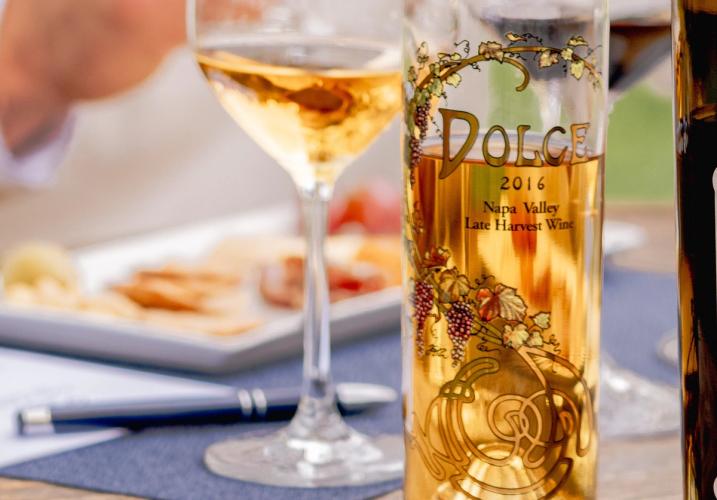
Dolce is Napa Valley's liquid gold — the only North American winery devoted entirely to a single late harvest wine in the Sauternes tradition. We make it from Sémillon and Sauvignon Blanc touched by noble rot, then age it in French oak, which adds a quiet frame of spice and structure without covering the fruit. A few vintages worth knowing:
Dolce 2021 opens with orange marmalade, honey, and brioche, with apricot, mango, and orange blossom underneath. It's silky but lively — the brightness keeps the sweetness elegant rather than heavy. A vintage that drinks beautifully now and rewards the cellar.
Dolce 2018 came from a more moderate season that allowed long hang time and ideal noble rot. It's plush and expansive: stone fruit and citrus on the nose, butterscotch and baking spice on the palate, with a juicy entry that unfolds into a creamy, layered texture. One for collectors.
Dolce 2017, presented in a gift box, leans rich and aromatically intense, with apricot and orange marmalade running from first sniff to finish. A challenging season met with careful vineyard work, and thoughtful oak that adds warmth and age-worthiness.
Late harvest wine reflects patience in the vineyard, in the cellar, and at the table. With Dolce, Far Niente demonstrates how Napa Valley can produce world-class expressions of this timeless style. If you've never let a late harvest wine close a meal, that's the place to begin. Reach for a bottle of Dolce for an unforgettable evening.