More Articles

Food & Wine•Nov 3, 2025•0
3 local wines served at the US Embassy Presidential Dinner in Japan
Read Article
Loading...
Read Article
Sweet dessert wines are nuanced and versatile, with a history dating back centuries. The first recorded mention appears in Hesiod's poem "The Works and Days1." The ancient Greek poet describes a straw wine from Cyprus called Cypriot Manna (now Commandaria). Travel forward to 18th-century Tokaji in East Hungary. In 1737, it was the setting for the first demarcated wine region2.
Today, luxury wine enthusiasts can savor sweet dessert wines produced by wineries throughout the world. Continue reading for an in-depth exploration of dessert wine types, food pairing tips, and how to press pause and savor the offerings from Far Niente's Dolce Wines.
Dessert wines—from lusciously sweet Sauternes to rich and complex ports—showcase the diversity and artistry of winemaking. But what is dessert wine exactly? People often enjoy it as the dessert course of a meal, either on its own or paired with sweet and savory foods.
Popular regions for sweet wine production include Germany, Austria, Canada, Portugal, Spain, central France, and California's Napa Valley.
Dessert wines' signature sweetness comes from an altered fermentation process3, in which yeast isn't given time to turn all the grape sugar into alcohol. The following winemaking approaches help concentrate the sweetness.
Winemakers leave grapes on the vine for a few weeks after the typical harvest season ends. This allows the grapes to overripen and dry out, intensifying their flavor and sweetness.
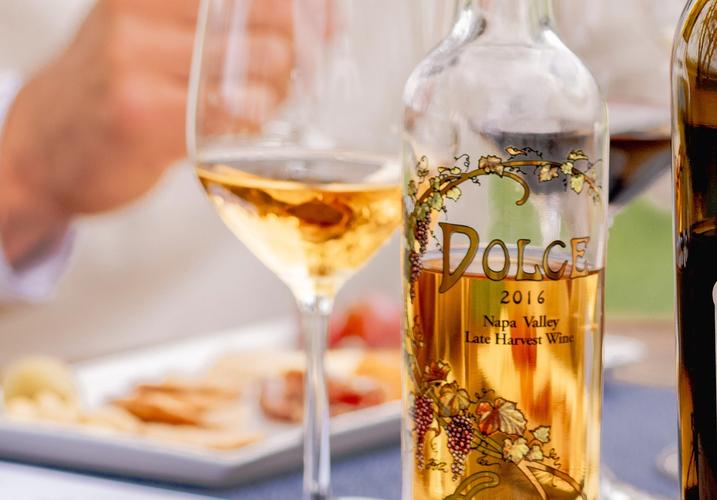
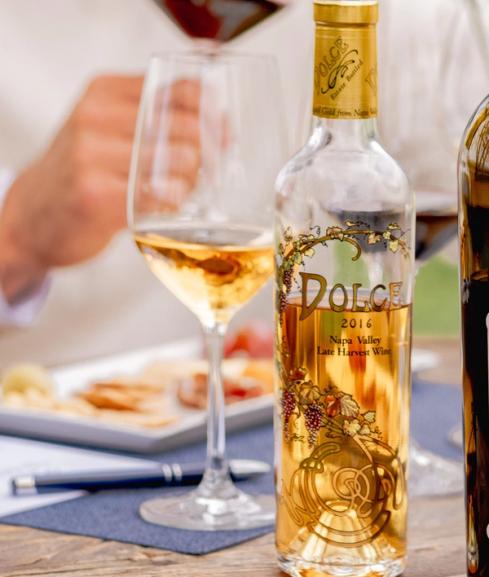
This is part of the process winemakers used to create our 2007 Dolce, Napa Valley. Although fully ripened by late September, winemakers didn't pluck the grapes from the vine for another two months. Exposure to Botrytis (a type of fungus) dehydrated the grapes, concentrating their sweetness. The smell of lemon bars, honey, and caramel bring a cozy warmth to this sweet dessert wine.
Damp mornings and dry afternoons favor the growth of Botrytis cinerea (noble rot) on grapes. The fungus breaks down the grape skin, allowing water to escape and concentrating the sugars and acids.
Tokaji is the first botrytized wine, produced in Hungary over 400 years ago4. Its rich sweetness is balanced by vibrant acidity, with notes of apricot, honey, and orange peel5.
Our 2017 Dolce, Napa Valley, Gift Box shares an apricot note with the legendary Hungarian dessert wine. Similarly, noble rot contributed to the winemaking process. Botrytis thrived in October, and the grapes were harvested in mid-November. Beyond apricot, this dessert wine includes orange marmalade, butterscotch, and baking spices to tickle the tongue.
The grapes (typically reisling or vidal) are left on the vine to freeze, so this approach is only possible in cold-climate regions such as Canada and Switzerland. Winemakers harvest and press the grapes while they are still frozen. This results in a highly acidic and sugary wine.
Adding a distilled spirit, such as brandy or vodka, to the wine increases its alcohol content while also killing the yeast—stopping fermentation and enhancing sweetness. Port and sherry are popular fortified wines.
This approach is popular throughout Italy. Winemakers place grapes on racks for three to four weeks6 after harvest. Sun and wind exposure dry out the grapes, concentrating the sugars.
Dessert wines pair well with sweet and savory fare—from buttery baked goods and sharp cheeses to rich foie gras and spicy Thai curries. Choose a dessert wine sweeter than, or as sweet as, the food you pair with it. Otherwise, the food's sweetness could overshadow the wine's sweetness, accentuating its bitterness and acidity.
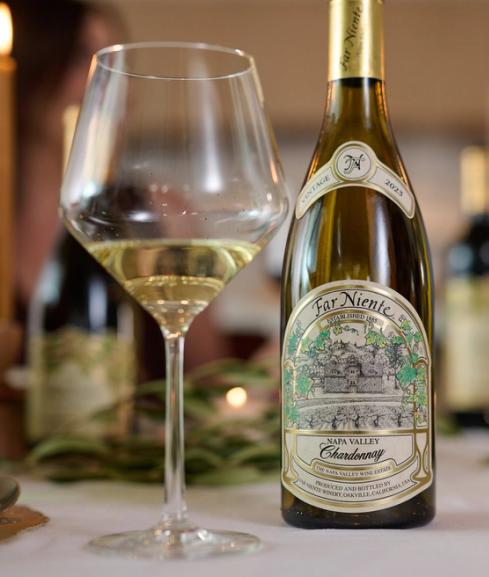
In a world that celebrates productivity, Far Niente encourages you to pause, reflect, and enjoy the milestones, personal achievements, and everyday moments with good company and wines from our Napa Valley vineyards.