To store wine after opening, re-cork it and put it in the fridge — yes, even red — and most bottles will stay good for about three to five days. The enemy is oxygen: the moment you pull the cork, air starts oxidizing the wine, slowly turning fruit flat and eventually vinegary. Cold slows that reaction down, which is why the fridge is your best friend for an open bottle regardless of color. How long you've got depends on the wine, so here's the breakdown and a couple of tricks to stretch it.
How long does opened wine last?
It depends on the style, but here are realistic windows if you re-cork and refrigerate:
Light whites, rosé, and most reds: about 3–5 days. Reds included — pull them out and let them warm up for 15–20 minutes before pouring.
Full-bodied, tannic reds and oaked whites: often 4–5 days; tannin and acidity act as natural preservatives.
Sparkling wine: 1–3 days, and only if you use a proper sparkling stopper — a regular cork won't hold the fizz.
Fortified wine (Port, Madeira): weeks, sometimes a month, thanks to the higher alcohol.
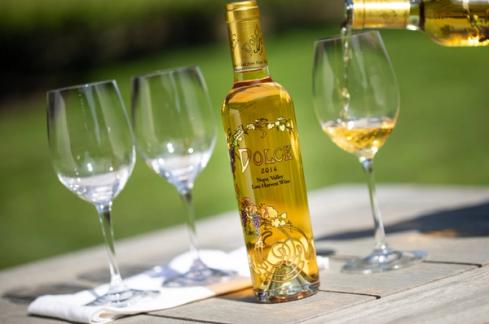
Dessert and botrytis wines: a week or more, because high sugar and acidity preserve them well.
Why wine goes bad after opening
Oxygen. Once air hits the wine, oxidation begins — the same process that browns a cut apple. First the bright fruit fades, then the wine flattens, and eventually it turns sour and sherry-like. Heat and light speed this up, cold slows it down. A little air can actually help a young tannic red open up in the first hour (that's what decanting does), but past that, oxygen is working against you.
The tricks that actually buy you time
A few small moves make a real difference:
Refrigerate everything: Cold slows oxidation. This is the single most effective thing you can do, and it works for reds too.
Re-cork tightly: (or use the original screw cap). Minimize the air getting in.
Pour the leftovers into a smaller bottle: Less air space above the wine means less oxidation. A clean half-bottle is perfect.
Skip gadgets you don't need: Vacuum pumps and inert-gas sprays can help a little, but a tight cork and the fridge cover most situations.
How to tell if an open bottle has turned
Smell and taste it. If it smells flat, sharp, vinegary, or nutty-and-sour when it shouldn't, and the fruit has gone dull, it's oxidized past enjoyment. It won't hurt you — it just won't be good. When in doubt, a bottle that's lost its spark still has a second life in the kitchen: cook with it before you dump it.
The honest bottom line
Most wine is happiest opened and enjoyed within a few days, so buy what you'll drink and don't over-worry the rest. If you routinely open a bottle and can't finish it, keep a clean half-bottle around for the leftovers and let the fridge do the work. And if it's a bottle you truly want to savor slowly — the sweeter and more structured styles give you the most room to linger.