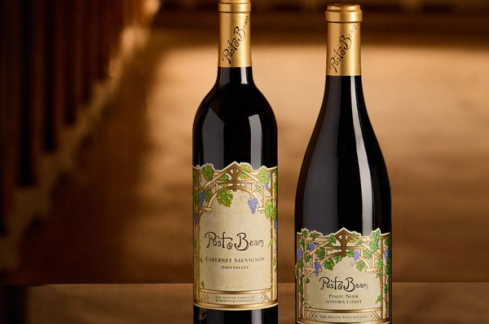
Yes — Cabernet Sauvignon is a red wine, and it's the most widely planted red wine grape on the planet. It's made from a small, thick-skinned dark grape, and like all red wines, it gets its color and structure from fermenting the juice together with those skins. That skin contact is what makes it red (and tannic) rather than white. If you've ever ordered "a glass of Cab," you've had a full-bodied, dark-fruited red. Here are the basics, minus the jargon.
What is Cabernet Sauvignon?
Cabernet Sauvignon is a red grape variety and the wine made from it. The grape has thick, dark skins and small berries, which is why it produces a deeply colored, structured wine. Fun bit of history you can bring up at dinner: it's a natural cross between Cabernet Franc (a red grape) and Sauvignon Blanc (a white grape), which happened by accident in Bordeaux, France, centuries ago. It's now grown all over the world, with Napa Valley and Bordeaux as its two most famous homes.
Why is it a red wine?
All wine grape juice is basically clear — the color of a red wine comes from leaving the crushed grapes in contact with their skins during fermentation. Cabernet's dark, thick skins release a lot of pigment and tannin, which is why the wine comes out deep purple-red and has that firm, mouth-gripping structure. Make a wine from those same grapes with no skin contact and you'd get something pale; keep the skins in, and you get Cabernet as you know it.
What does Cabernet Sauvignon taste like?
Expect bold, dark flavors: blackcurrant (cassis), blackberry, and plum, often layered with cedar, tobacco, and — from oak aging — vanilla and baking spice. It's full-bodied and tannic, meaning it feels weighty and slightly drying, in a good way. Warm regions like Napa produce riper, more generous versions; cooler regions produce leaner, more herbal ones. It's dry, not sweet, even when the ripe fruit makes it taste lush.
Why is Cabernet so popular?
Because it's reliable and it ages. Cabernet's structure lets it pair with rich food, improve for years or decades in the bottle, and taste recognizably like itself almost anywhere it's grown. That combination of power, consistency, and longevity is why it's both the wine collectors chase and the everyday red people trust. If you're just starting with reds, a ripe, fruit-forward Cabernet is one of the friendliest doors in.