
More Articles

Wine Profiles•Oct 29, 2026•
2 min read
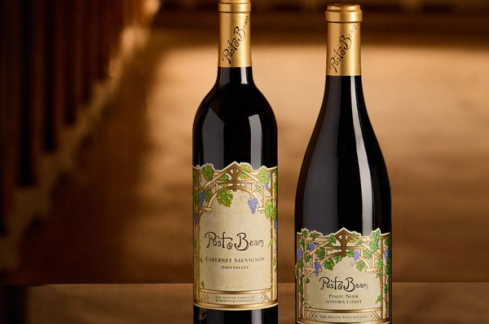
Is Cabernet Sauvignon a Red Wine? The Basics, Explained
Read Article
Wine Profiles•Oct 26, 2026•
3 min read
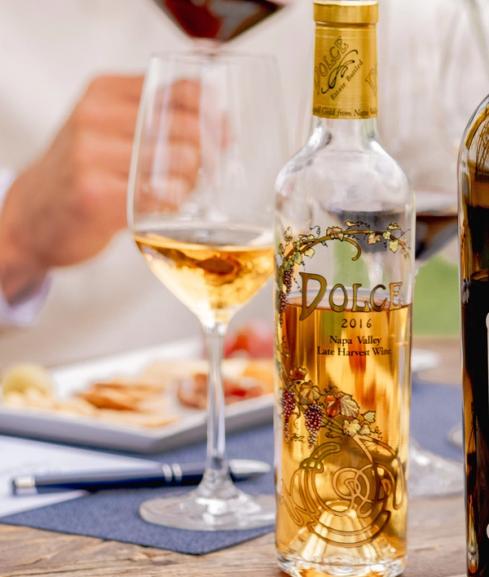
Sauternes-Style Late-Harvest Wine: What It Is and Why It's Rare
Read Article
Loading...
Loading...
2 min read
Read Article
3 min read
Read Article
Very little. Cabernet is fermented until nearly all the grape sugar is converted to alcohol, so a typical bottle has only a few grams of residual sugar per liter — not enough to taste as sweet. It's classified as a dry wine.
Ripe fruit flavors, oak-aging notes like vanilla and spice, and higher alcohol can all trick your palate into perceiving sweetness even when there's no significant sugar. This is common in warm-climate, fruit-forward styles like Napa Cabernet.
Some inexpensive wines are made in an off-dry style with a touch of added sweetness, but true varietal Cabernet Sauvignon is dry by tradition and definition. If a Cabernet tastes distinctly sweet, it's either a fruit-and-oak impression or a deliberately sweetened budget product.
Dry wine has been fermented until almost no grape sugar remains; sweet wine retains significant residual sugar. Cabernet Sauvignon is dry; dessert wines like late-harvest and botrytis wines are sweet.